


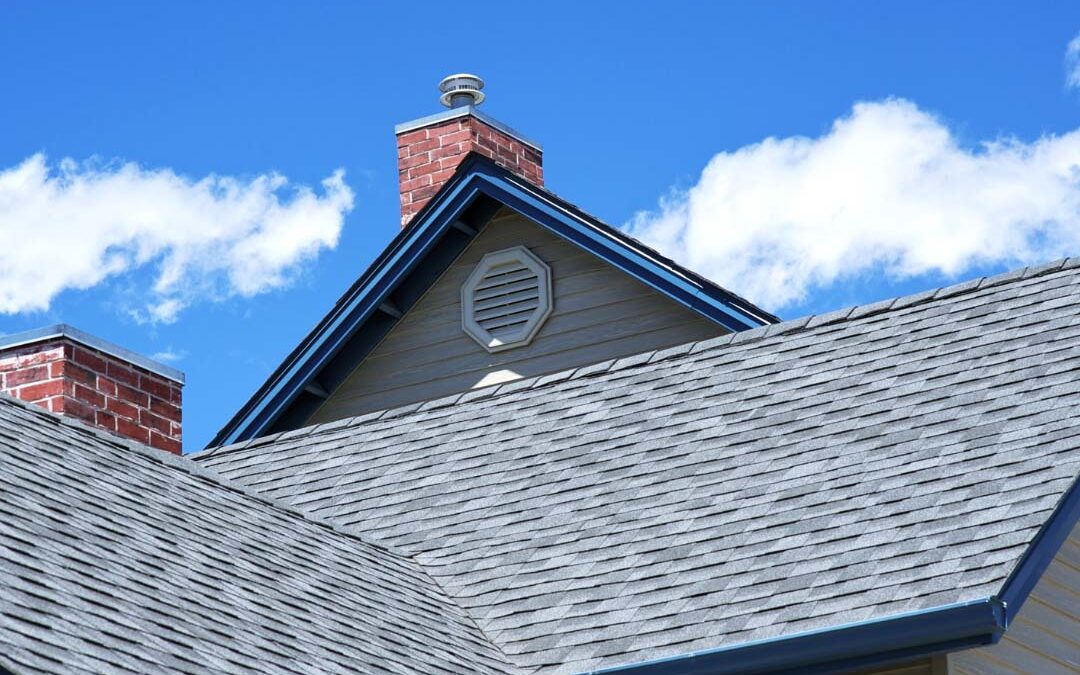
Your roof is the most important structural element of your home when it comes to risk management. It isn’t just a layer of shingles; it is a high-performance shield that preserves the integrity of everything underneath it.
Because your roof stands between the elements and your most valuable assets, insurance companies prioritize its condition above almost any other feature of your property.
What is Your Roof Really Protecting?
When an insurance carrier evaluates your home, they aren’t just looking at the age of your shingles. They are assessing the safety of the systems your roof keeps dry and functional. A failing roof can lead to a cascade of expensive internal damage, including:
- Structural Integrity: Protecting the walls and ceilings from rot and wood decay.
- Vital Systems: Keeping water away from electrical wiring and HVAC components to prevent fire hazards and system failure.
- Insulation: Maintaining the efficiency of your home’s insulation by preventing mold growth and moisture saturation.
- Personal Belongings: Shielding your furniture, electronics, and family heirlooms from water intrusion.
- Your Family: Providing a secure, dry environment that prevents health risks associated with mold and mildew.
Why Roof Condition Dictates Insurance Options
Insurance is, at its core, a calculation of risk. A newer, well-maintained roof represents a lower risk for the insurance provider, which often results in more robust coverage options and more competitive pricing for you.
The “New Roof” Advantage
When you invest in a roof replacement or stay on top of consistent maintenance, you aren’t just improving your home’s curb appeal; you are actively strengthening your insurance profile. Insurance carriers look at the age of your roof to determine how likely it is to fail during a storm.
- Lowest Risk (0–5 Years): A brand-new roof is a major asset in the eyes of an insurance provider. Because the materials are at their most resilient, you often qualify for the most comprehensive coverage—including full replacement cost—and may see significant discounts on your annual premium.
- Moderate Risk (10–15 Years): As your roof enters its mid-life phase, it remains insurable at standard rates. However, carriers may begin to monitor its condition more closely. At this stage, maintaining clear records of repairs is vital to keeping your coverage options flexible.
- High Risk (20+ Years): Once a roof reaches the two-decade mark, many carriers view it as a liability. At this point, your options may become limited. You might be moved to an “Actual Cash Value” policy, which only pays out the depreciated value of the roof in the event of a claim, or you may face a non-renewal notice until a full replacement is completed.
As an independent agency, we help you understand these transitions. We can compare how different carriers view the age of your roof, ensuring you aren’t unfairly penalized for an older home that has been well-maintained.
The Value of Working with an Independent Insurance Agency
As an independent agency, we aren’t tied to a single insurance carrier. This means we can shop the entire market to find a policy that rewards you for your home’s upkeep.
While a direct writer might have a strict “no-go” policy for a roof over 15 years old, a specialist at an independent agency can often find a provider with more flexible guidelines or specialized programs for well-maintained older homes. We act as your advocate, helping you navigate the technicalities of “Actual Cash Value” versus “Replacement Cost” so you can choose your coverage with total confidence.
Proactive Steps for Homeowners
We recommend following these steps to give your roof the best chance of staying eligible for the best rates:
- Annual Inspections: Catch small leaks before they become claims.
- Clear Records: Keep receipts for repairs or a full replacement to prove the roof’s age.
- Gutter Maintenance: Ensure water is moving away from the structure to prevent “back-up” damage.
Investing in your roof is one of the most effective ways to secure your home’s future and keep your insurance costs manageable.
Contact us to review your current policy to see if your roof’s age is qualifying you for a better rate.